🌐 History Repeats in Silicon: Mapping the AI Boom to the Internet Boom
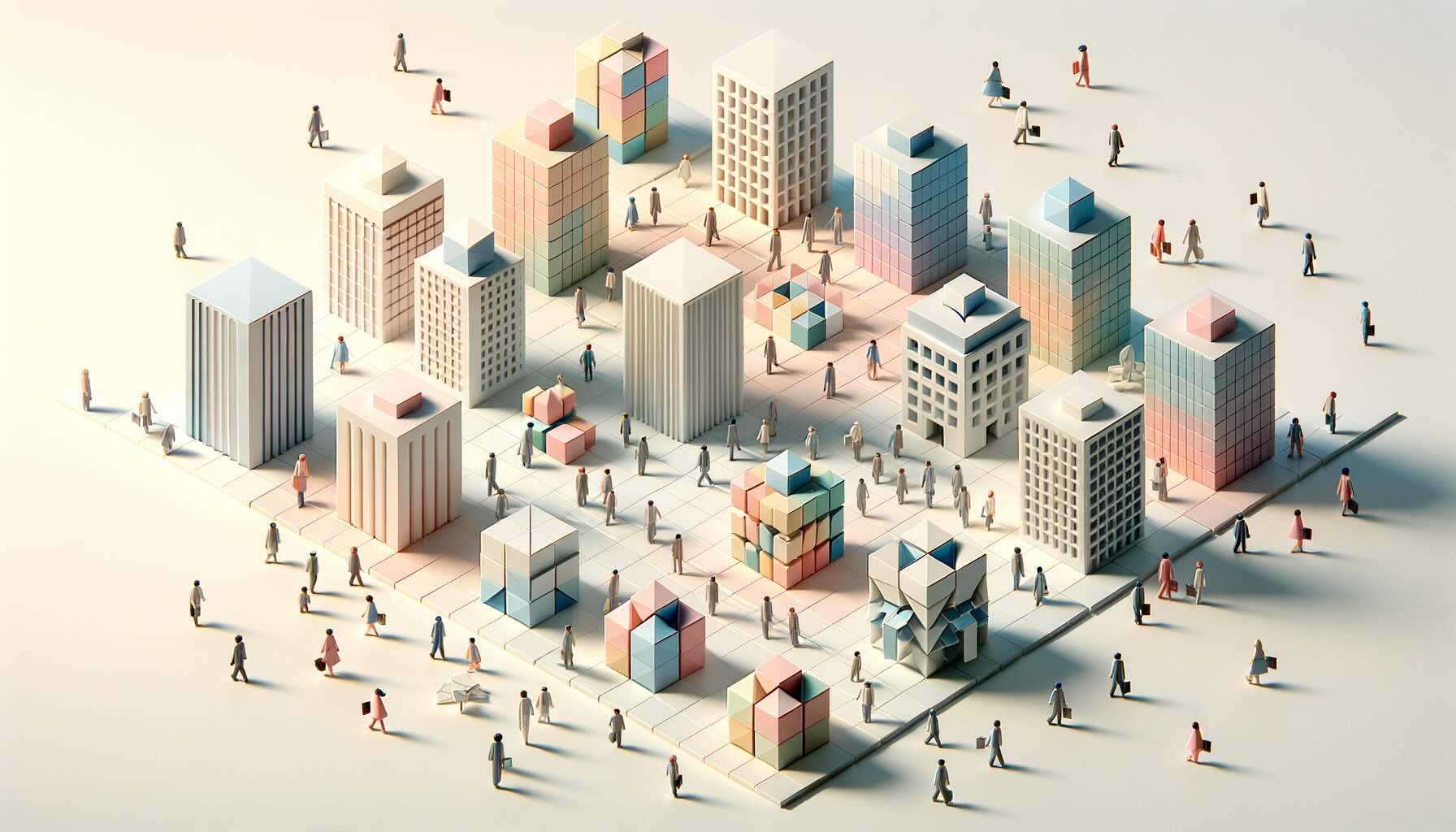
“Every technology wave begins as a dream, grows into a gold rush,
and ends as an infrastructure.”
🚀 1. The Vibe Check: Then vs Now
The early 2000s felt like standing at the edge of a new continent.
Every domain name was a lottery ticket.
Every PowerPoint promised “revolution.”
Fast-forward twenty-five years: replace .com with .ai.
We’re back in the same mood — only faster, louder, and automated.
What changed isn’t the pattern.
It’s the speed of the feedback loop.
In 2000, it took months to raise money and launch a product.
Today, one person can spin up an AI startup over a weekend —
and get a million users before Monday.
The dream is the same.
The timeline compressed.
🧠 2. The Pattern Repeats
Every tech boom follows a predictable arc:
| Phase | Internet (2000s) | AI (2020s) |
|---|---|---|
| Discovery | Browsers and email connect the world. | LLMs and diffusion models spark curiosity. |
| Gold Rush | Startups with “.com” in their name raise millions overnight. | Every product rebrands as “AI-powered.” |
| Disillusionment | Pets.com crashes, investors retreat. | “Where’s the moat?” becomes the VC mantra. |
| Infrastructure Era | Cloud, APIs, and broadband quietly rebuild the web. | Foundation models, agents, and orchestration layers solidify AI’s backbone. |
The pattern isn’t failure — it’s evolution.
Each wave begins with hype and ends with plumbing.
⚙️ 3. The Infrastructure Lesson
The biggest winners of the Internet era weren’t the loudest startups —
they were the quiet infrastructure builders:
AWS, Google Search, PayPal, Cloudflare.
AI will rhyme the same way.
Today’s prompt startups may fade,
but the next decade belongs to whoever builds trust, data pipelines, and distribution.
The lesson is timeless:
Gold rushes end. Tool makers stay.
💼 4. The Talent Migration
In 2000, ambitious developers left banks to join Internet startups.
In 2025, ambitious PMs and engineers are leaving Big Tech to join AI labs.
The same psychology drives it:
a sense that “this is the next big thing.”
And it probably is — but history suggests something subtler.
The early Internet needed builders who understood business.
AI needs builders who understand context.
Because the hard part isn’t generating output —
it’s aligning that output with human value.
🔍 5. The Illusion of Newness
We like to believe every wave is unprecedented.
But AI feels less like a revolution and more like a recursion.
The Internet connected people to information.
AI connects information to intention.
The first wave digitized the world.
The second one is now interpreting it.
What both share is this tension:
- Between exploration and regulation.
- Between freedom and responsibility.
- Between imagination and infrastructure.
Different century, same human story.
🧩 6. The Real Opportunity
The Internet gave us reach.
AI gives us leverage.
But leverage without wisdom becomes noise.
The people who’ll define this era aren’t just technologists.
They’re translators —
those who can bridge models and meaning, systems and empathy.
Because if the Internet was about scaling access,
AI is about scaling judgment.
💬 7. What We Should Remember
The Internet boom didn’t end with the crash —
it matured into the web we live in now.
AI will follow the same curve:
less magic, more maintenance;
fewer demos, more depth.
And just like before,
the real innovation will come quietly —
from those still learning when everyone else is shouting.
💡 Quick Takeaway
History doesn’t repeat — but technology rhymes.
The Internet connected us.
AI is teaching us to interpret what we connect.
📖 Written as a reflection from someone who lived through both hype cycles —
and still believes that progress isn’t about what’s new,
but about what endures.